



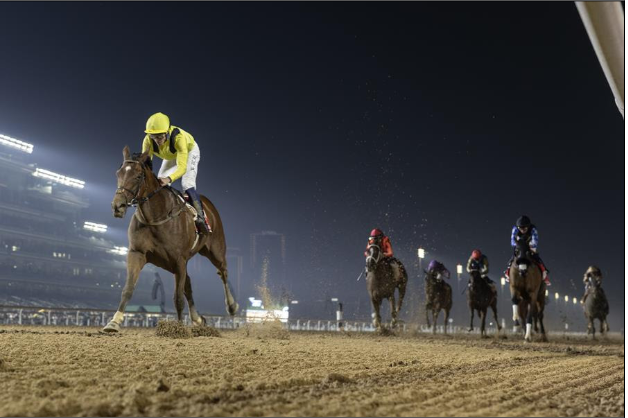


Horse racing is a sport that relies on careful preparation, timing, and strategy to achieve consistent performance. Trainers must consider multiple factors, such as a horse’s fitness level, recovery time, and race conditions, before entering competitions. One of the most valuable tools they use is Indian horse race fixtures, which provide detailed schedules of upcoming races across different locations. These fixtures help trainers plan training routines, select suitable races, and manage a horse’s overall workload. By aligning preparation strategies with race schedules, trainers can ensure that horses are physically and mentally ready to perform at their best on race day.
Planning Training Cycles Around Race Schedules
Training cycles are carefully designed to match race timelines. Trainers rely on Indian horse race fixtures to determine when a horse should begin intensive training and when it should taper down before a race.
By analyzing fixture schedules, trainers can build structured routines that gradually improve endurance, speed, and stamina. This approach ensures that horses peak at the right time. Using Indian horse race fixtures, trainers can avoid overtraining while maintaining consistent progress toward race readiness.
Selecting The Right Races For Each Horse
Not every race is suitable for every horse. Trainers evaluate various factors such as distance, track conditions, and competition level before deciding where to enter a horse. Indian horse race fixtures provide the information needed to make these decisions.
By reviewing upcoming races, trainers can identify events that align with a horse’s strengths and capabilities. This careful selection process increases the chances of strong performance. With the help of India’s horse race fixtures, trainers can strategically place horses in races where they are most likely to succeed.
Managing Recovery And Rest Periods
Recovery is just as important as training when it comes to preparing racehorses. Overworking a horse can lead to fatigue or injury, which may affect long-term performance. Trainers use Indian horse race fixtures to space out races and allow adequate recovery time.
Scheduling rest periods between competitions helps maintain the horse’s physical condition and overall well-being. By balancing training and recovery, India’s horse race fixtures help trainers keep horses in peak condition throughout the racing season.
Adapting To Different Track Conditions
Race tracks vary in surface type, weather conditions, and layout, all of which can influence performance. Trainers study Indian horse race fixtures to understand where races are being held and what conditions to expect.
This information allows them to adjust training methods accordingly, preparing horses for different environments. For example, a horse may require specific conditioning for softer or firmer tracks. With insights from India’s horse race fixtures, trainers can ensure that horses are ready to adapt to varying race conditions.
Coordinating With Jockeys And Support Teams
Successful race preparation involves coordination between trainers, jockeys, and support staff. Indian horse race fixtures help teams plan their schedules and ensure that everyone is prepared for upcoming races.
Jockeys can review race details in advance, allowing them to develop strategies based on track conditions and competition. Trainers can communicate specific instructions and expectations before the race. By using India horse race fixtures, the entire team can work together efficiently to support the horse’s performance.
Conclusion
Effective race preparation requires careful planning, structured training, and strategic decision-making. By using detailed schedules and analyzing race conditions, trainers can optimize performance while maintaining the health and readiness of their horses.
Many trainers also follow events such as horse races in Chennai while using Indian horse race fixtures to refine their preparation strategies and ensure that horses are fully prepared for competitive racing environments.