
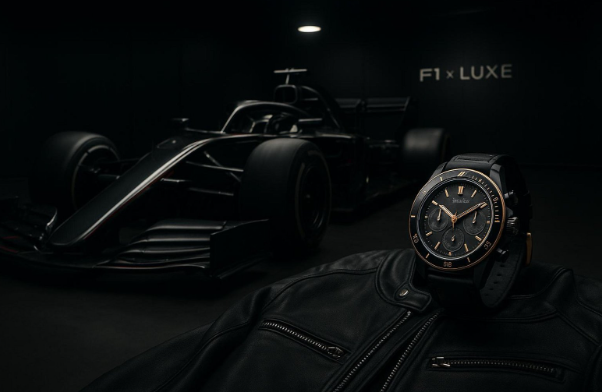

Motorsport, once a niche area focused on speed and engineering, has moved into luxury and lifestyle. Limited-edition motorsport collaborations are growing fast. Why are high-end brands, from fashion houses to watchmakers, teaming up with racing series and teams?
Because the mix of high-performance tech, exclusivity, and a larger wealthy audience-especially around Formula 1-makes a strong case. These deals go beyond simple sponsorship. They are planned partnerships that lift brand status, grab the attention of experience-focused buyers, and connect with a global craze that reaches far beyond the track.
This change shows how both the luxury market and motorsport keep adapting. What started as a quiet nod to racing heritage has become a full-on embrace, bringing together adrenaline and high fashion. It tells a clear story about precision, innovation, and an aspirational lifestyle.
That story fits what many buyers want today. The famous Williams team, known for its history and engineering, inspires a wide range of gear that helps fans feel close to the brand’s legacy. If you want to share that spirit, take a look at the Williams men’s T-shirts.
What Defines a Limited-Edition Motorsport Collaboration?
A limited-edition motorsport collaboration is a planned partnership between a motorsport group (a team, a series, or a single race) and a brand, often from luxury, fashion, or automotive. The “limited-edition” label matters because it adds scarcity and desire.
These partnerships often lead to custom products, small capsule drops, or special experiences that you cannot get everywhere. The appeal comes from joining two areas: the speed and glamour of racing with the craft and status of luxury goods.
These partnerships aim for more than simple logo sharing. They look closely at shared values like precision, innovation, performance, and heritage. Dr. Daniel A. Langer, a luxury strategy expert and CEO of Équité, says that limited editions or custom features that reflect shared craft and innovation matter.
In other words, it is not about placing a logo on a product. It is about thoughtful design and a real story that connects both brands. From a watch movement inspired by a race car engine to a fashion line echoing the sleek lines of a Formula 1 car, these projects are carefully made to tell a story of excellence.
How Motorsport Partnerships Changed the Luxury Landscape
Motorsport partnerships have pushed a big change in luxury. Luxury brands once leaned on heritage and exclusivity alone. Today, younger buyers want energy and experiences. Formula 1 offers a global stage for that.
With fast-growing reach-including more women (41% of fans) and strong pull for Gen-Z and millennials-F1 gives luxury brands a clear way to show performance, precision, and style to new high-spending groups.
We can see the shift in major moves like LVMH’s 10-year global deal with Formula 1 in October 2024. Louis Vuitton becomes title partner of the Australian Grand Prix in 2025, and TAG Heuer takes over as F1’s official timekeeper. These are more than ads. They show luxury brands aiming to be part of a wider culture and lifestyle tied to racing.
Anita Balchandani, Senior Partner at McKinsey, notes that the luxury car sector is almost twice the size of luxury personal goods, which helps explain why these areas fit well together.
Key Drivers Behind Motorsport and Brand Collaborations
Why Do Automotive and Luxury Brands Pursue Limited Editions?
Brands choose limited editions with motorsport groups for demand, brand lift, and new reach. Scarcity creates heat and drives quick sales. People want items few others have. The result is higher perceived value and a stronger pull.
-
Scarcity builds urgency and higher demand.
-
Linking to racing adds energy, precision, and tech cred to a brand.
-
Fresh designs tied to the track appeal to younger buyers.

These partnerships also help brand image. Tying a luxury name to Formula 1 adds performance, precision, innovation, and advanced tech to its story. This gives long-standing houses a new spark and helps them speak to younger shoppers who switch brands more easily.
As Dr. Thomas Girst, Global Head of Cultural Engagement at BMW Group, says, “Younger audiences are not as loyal to a brand as other segments of our customers are.” Limited editions, charged with racing excitement, can win their attention and repeat interest.
What Audiences Are Attracted by Motorsport Collaborations?
Motorsport collaborations bring in a wide, high-value audience. Many are affluent, experience-focused shoppers who want special products and strong stories. Some already follow racing; others discover it through a luxury brand they like. Formula 1’s global draw-750 million total audience and a big share of women at 41%-has broadened the fan base.
-
Affluent fans who like rare items and strong design.
-
Gen-Z and millennials influenced by digital culture and shows like Drive to Survive.
-
Buyers in Asia who value status and unique experiences.
This crossover fits the taste for performance style and culture-led trends. In Asia, many see limited editions as status symbols that support social standing.
Major Collaborations and Influential Brands
Iconic Brand Partnerships in Motorsport
Motorsport has a long history of brand tie-ins, and today’s standouts are deeply built, not just logo swaps. Auto and luxury goods have linked for years. In 2014, BMW and Louis Vuitton created a carbon fiber luggage set for the BMW i8, showing shared love for new materials and design strength.
Watch brands also play a key role. TAG Heuer, now Formula 1’s official timekeeper, uses the sport’s focus on precision to highlight its performance timepieces. The Monaco Gulf Special Edition, inspired by the Porsche 917 race car, became a hit, showing how car legacy and fine watchmaking can blend into a collector favorite.
To celebrate this fusion of motorsport, style, and craftsmanship, explore Top Racing Shop — your source for authentic Formula 1 merchandise and exclusive pieces that capture the spirit of speed and luxury.
Examples: Luxury Labels Pairing with Formula 1 and Le Mans
Partnerships with Formula 1 and Le Mans have produced standout moments. Beyond the LVMH-F1 deal that brings Louis Vuitton to the Australian Grand Prix and Moët & Chandon as official champagne, several high-profile links show the range of ideas at play: Mercedes-Benz x Moncler’s London Fashion Week drop mixing puffer looks with the G-Class profile; Porsche x Aimé Leon Dore with retro designs for style-minded younger buyers; plus waves tied to F1: The Movie with Brad Pitt.
Product Innovations Born from Motorsport Alliances
These alliances also drive product ideas. Racing pushes materials, aerodynamics, and performance, and those gains often reach everyday goods. The Louis Vuitton carbon fiber luggage for the BMW i8 is one clear case-using a high-performance car material in a luxury travel set. The result is something that looks great and works well.
Watchmaking shows the link too. H. Moser & Cie worked with Alpine Motorsports on the Streamliner Cylindrical Tourbillon Skeleton Alpine Limited Edition. It uses a cylindrical hairspring that takes about 10 times longer to make than a standard one. That level of craft and precision fits both high-end watchmaking and motorsport engineering. These examples show real benefits beyond surface branding.
How Motorsport Collaborations Impact Popular Culture
Influence on Consumer Behavior and Aspirations
These collaborations shape what people want and buy. Racing brings glamour, speed, and precision. When a luxury label links with a Formula 1 team, it sells more than clothes-it sells a lifestyle tied to success, style, and high performance. That can push buyers to want the products and copy the look and values on display.
Shows like Netflix’s Drive to Survive have made the sport easier to understand and follow. With wider media exposure and strong branding from luxury tie-ins, more people go to races, follow drivers, and pick up merch. The average age of F1 viewers falling to 32 in 2024, from 38 in 2017, shows a younger, more engaged crowd that follows culture trends and brand stories.
How Motorsport-Themed Collections Reach New Markets
Motorsport-themed lines reach buyers who might ignore luxury fashion or motorsport on their own. By joining both, brands give people a simple entry point. The “motorcore” trend, helped by Tommy Hilfiger’s APXGP Collection, brings racing style into daily wear. People can adopt the look without being die-hard fans.
These projects also target regions with growing race calendars. New or returning Grands Prix in Las Vegas, Shanghai, Singapore, and Saudi Arabia create fresh chances to connect with local and traveling fans.
LVMH’s focus on the Australian Grand Prix aims at high-spending Asian tourists, many of whom see F1 as both sport and luxury lifestyle. This shows a focused approach to reaching new buyers by using motorsport’s global pull.
Case Study: Motorsport Collaborations in Asian and Emerging Markets
Asia is the largest market for luxury goods, and motorsport tie-ins connect well there by mixing storytelling with local taste. Dr. Daniel A. Langer points out that in places like China, group values can increase the draw of status-driven purchases, making these limited editions strong symbols of social standing. China’s luxury car market, at about US$154 billion, is a key example, with Gen-Z set to drive much of the growth.
Local carmakers are active too. AVATR, a new energy vehicle startup, worked with designers Matthew M. Williams and Kim Jones on special-edition cars. The AVATR 011, capped at 500 units, sold out. This, along with rising global momentum for Chinese brands like BYD, shows how luxury, racing themes, and local culture can meet to create new demand.
Still, brands need local strategies. Tastes differ: many Japanese buyers value subtle design and craft, while many in South Korea prefer trend-led drops linked to global culture.
Benefits and Challenges of Limited-Edition Collaborations
Brand Equity and Exclusivity Gains
Limited-edition motorsport collaborations can strongly lift brand image and exclusivity. For luxury labels, linking with Formula 1 supports an image of excellence, precision, and high performance. Scarce drops feel special, and demand often spikes fast, as seen with the AVATR 011.
These links also open fresh creative paths. Drawing on speed, design, and racing history brings new energy to collections and attracts younger buyers. The “if you know, you know” approach-like H. Moser & Cie leaving off a visible logo on its Alpine watch-adds to the insider feel for collectors. This can boost a brand and help it sit at the front of culture and innovation.
Risks and Controversies Associated with Motorsport Partnerships
There are risks. A key one is staying authentic and avoiding shallow marketing. Dr. Daniel A. Langer warns that without clear emotional, experiential, or practical benefits, collaborations can look like hollow tactics. The link must feel real and make sense for both sides, or brands may push away loyal fans.
Another risk is handling different markets and cultural cues. What works in one place can fall flat in another. Brands need solid research and local plans. Also, motorsport’s high-speed nature and environmental concerns can clash with brands that put sustainability or safety first, calling for careful messaging and balance.
What the Future Holds for Motorsport and Fashion Collaborations
Predicted Trends and Upcoming Partnerships
The road ahead looks active, with tech and digital tools set to play a bigger role. Expect more immersive virtual events, NFT drops, and interactive campaigns that link physical items with digital experiences. These tools help reach tech-savvy buyers and keep the buzz going between races.
-
Deeper use of AR/VR and digital collectibles.
-
More local partnerships in Asia and the Americas.
-
Wider representation through programs like F1 Academy.
As F1 grows in new regions, we will see more local and culture-specific projects. With Chinese car brands gaining ground globally, look for tie-ups between international fashion houses and these players. Broader inclusion in motorsport will also open doors to new audiences. The link between Formula 1 and luxury is moving from trend to standard play in high-performance branding, with more bold and inventive alliances ahead.