

Spinal injuries in sports are more common than many realize, often stemming from a combination of repetitive stress, collisions, or improper technique. Athletes in high-impact or acrobatic activities face heightened risks, especially if spinal health isn’t prioritized during training. While protective gear offers some defense, Dr. Joseph Weinstein notes how it rarely eliminates the potential for harm.
From football tackles to cheerleading stunts, the spine is constantly challenged in ways that test its resilience and structure. Strengthening supporting muscles, improving flexibility, and recognizing early signs of strain can play a critical role in spinal health. Ultimately, a proactive approach to spinal care can not only prevent injury but also enhance performance and longevity in any sport.
Spinal Injuries in Sports
Spine health plays a crucial role in athletic performance. The spine supports nearly every action in sports, from running and jumping to twisting and lifting. When it’s injured, recovery can be slow and complicated, sometimes affecting an athlete’s ability to return to their sport.
Injury types vary depending on the activity, but common spinal issues include herniated discs, vertebral fractures, and spinal cord trauma. These injuries can occur from high-impact collisions, repeated stress, or improper technique during training. Sports that demand extreme physical effort or involve frequent contact tend to carry the highest risk. Even non-contact sports can become hazardous if proper form is neglected.
Football and Ice Hockey
Football and ice hockey are known for their aggressive play styles, which often involve powerful collisions and rapid directional changes. These can place tremendous pressure on the spine, particularly during tackles or checks that result in whiplash-like forces or awkward falls. Repeated impacts over time can lead to chronic spinal issues, especially in players who start young and continue into adulthood. Athletes who play in high-contact positions, such as linebackers or defensemen, are particularly vulnerable to spinal loading.
Despite the use of helmets and padding, protective gear can’t fully prevent spinal injuries. Many injuries occur because of the angle of contact or the speed at which players collide. In football, linemen often experience spinal compression due to constant blocking, while in hockey, being checked into the boards can result in vertebral damage or even spinal cord trauma. The cumulative toll of these impacts often becomes apparent later in an athlete’s career or post-retirement.
Gymnastics and Diving
Gymnastics demands extreme flexibility and control, which puts the spine under constant strain. Repeated backbends, flips, and hard landings can lead to overuse injuries like spondylolysis or stress fractures in the lower back. These conditions can be exacerbated when athletes train intensively from a young age, especially without adequate recovery time between sessions. Many elite gymnasts begin training in early childhood, which adds to the cumulative spinal stress.
In diving, spinal injuries typically occur during entry into the water, particularly if the angle is off or the diver hits the surface with too much force. Mistiming a rotation or losing form mid-air can cause the spine to absorb excessive impact. Even though the water may seem forgiving, at high speeds it can act almost like a solid surface, making proper technique critical to spinal safety. Divers also risk spinal compression if rotations are too tight or if posture is compromised during descent.
Wrestling and Martial Arts
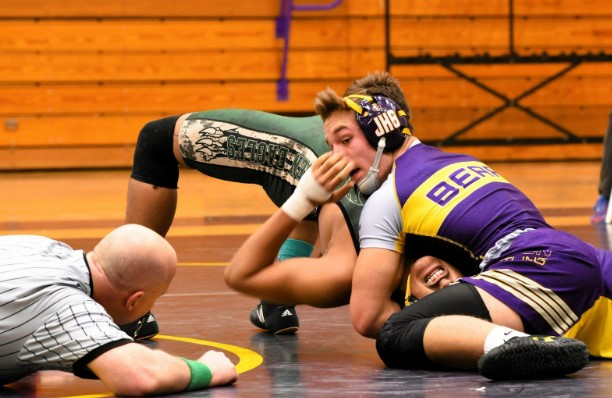
Wrestling and martial arts place a unique kind of strain on the spine due to the constant grappling, sudden takedowns, and twisting motions. These sports often involve rapid shifts in body position, which can result in torque on the spine and increased risk of acute injury. Moves like suplexes or throws can lead to misalignment or compression of the vertebrae when not executed with precision. Intense sparring sessions and tournaments can exacerbate the risk if proper form and recovery are overlooked.
In disciplines such as judo or Brazilian jiu-jitsu, the spine is frequently subjected to pressure during submissions or locks. Athletes must maintain strong core control and flexibility to minimize injury risk, but even seasoned professionals are not immune to strains and disc issues. Proper technique and conditioning are vital in these sports, where one wrong move can lead to long-term damage.
Cheerleading
Cheerleading combines athleticism, stunts, and acrobatics, making it one of the most physically demanding team sports. Flyers are often propelled high into the air and rely on their teammates for safe landings. When timing or coordination is off, falls from significant heights can lead to serious spinal trauma, including fractures or nerve damage.
Many cheerleading injuries happen during intricate pyramid formations or tumbling passes. The repetitive nature of these activities, coupled with intense practice schedules, increases the likelihood of overuse injuries to the lower back. Spotters and trained coaches play a crucial role in injury prevention, yet accidents still occur even in regulated settings.
Prevention and Early Action
Maintaining spinal health in sports starts with proper training and awareness. Coaches and athletes who prioritize core strength, flexibility, and technique greatly reduce the risk of injury. Consistent conditioning can help support the spine during high-stress movements and absorb shock more effectively.
Recognizing early warning signs like persistent back pain, numbness, or reduced mobility is crucial. These symptoms can indicate deeper issues that shouldn’t be ignored. Seeking professional evaluation at the first sign of trouble can prevent minor problems from becoming debilitating conditions.