
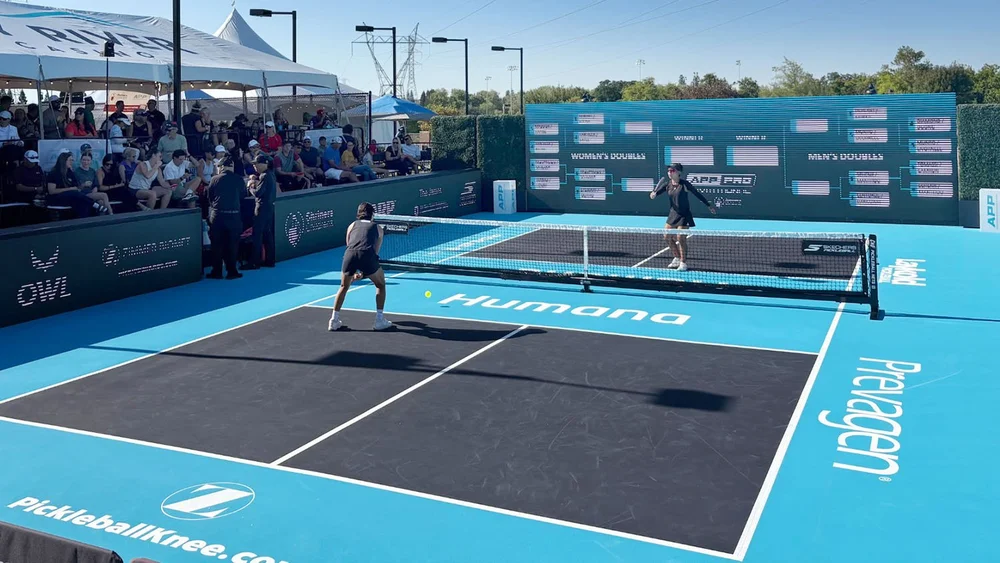

Sports news thrives on moments—match points, comebacks, rivalries. But what rarely makes the headline is the foundation that makes those moments possible. In tennis, that foundation is the court surface.
Today, tennis court flooring is no longer a background element. It is a technical, economic, and performance-driven factor that is steadily gaining recognition in modern sports journalism. As the global sports ecosystem evolves, the conversation is shifting toward how infrastructure influences outcomes—not just who wins.
Sports News Is Getting Smarter—and So Is Its Audience
The modern sports audience is more informed than ever. Fans now analyze:
- Player movement patterns
- Surface-specific performance records
- Injury histories linked to playing conditions
As a result, sports news platforms are evolving into data-rich storytelling hubs.
From Narrative to Analysis
Earlier:
“Player A defeated Player B in straight sets.”
Now:
“Player A dominated due to superior adaptation to medium-fast acrylic surfaces, leveraging consistent bounce and baseline control.”
This shift highlights one thing clearly—surfaces matter, and people are paying attention.
The Science of Tennis Court Flooring
Tennis court flooring is not just about materials—it’s about physics and biomechanics.
Key Performance Factors Influenced by Flooring
1. Ball Speed
Surface texture determines how fast the ball travels after impact.
2. Bounce Height
The elasticity of the surface affects how high the ball rebounds.
3. Player Movement
Grip and friction influence sliding, stopping, and acceleration.
4. Energy Return
Some surfaces absorb impact, while others return energy, affecting fatigue levels.
Acrylic Courts: The Benchmark of Modern Tennis Infrastructure
Among all surface types, acrylic courts have emerged as the global standard, especially in developing sports markets.
Why Acrylic Flooring Leads the Industry
Unlike clay or grass, acrylic surfaces offer a controlled playing environment. This control is crucial for:
- Fair competition
- Consistent training
- Scalable infrastructure development
Technical Advantages
- Multi-layer coating system for durability
- Customizable speed (slow, medium, fast variants)
- UV-resistant and weatherproof design
- Optional cushioning layers for player comfort
Because of these benefits, acrylic courts are often the preferred choice for both professional tournaments and grassroots development.
Why Sports News Is Covering Infrastructure More Than Ever
There’s a strategic reason behind this shift—it aligns with how the sports industry is growing.
1. Infrastructure = Performance
Teams and players invest heavily in training environments. A better surface can:
- Improve skill development
- Reduce injuries
- Enhance match readiness
2. Infrastructure = Investment Story
Sports facilities are now big business. News around new courts, academies, and stadium upgrades reflects:
- Economic growth
- Urban development
- Government policy
3. Infrastructure = Talent Pipeline
Better courts lead to better training, which leads to better players. This directly impacts national and international performance.
India’s Changing Landscape: A Case Study in Growth
India provides a perfect example of how tennis court flooring is becoming central to sports development.
What’s Happening on the Ground?
- Schools are upgrading to synthetic courts
- Private academies are investing in acrylic surfaces
- Real estate developers are adding sports amenities
Why Acrylic Courts Fit India’s Needs
- Perform well in extreme heat
- Require minimal water compared to clay
- Offer long-term durability with low maintenance
This makes them ideal for scaling sports infrastructure across diverse regions.
The Hidden Economics of Tennis Court Flooring
Let’s go deeper into something rarely discussed in sports news—financial efficiency.
Initial Cost vs Lifetime Value
Many decision-makers make the mistake of focusing only on installation cost. But the real metric is:
👉 Cost per year of usable life
Acrylic Courts Win on Long-Term Value
- Lower maintenance expenses
- Fewer repairs
- Longer lifespan
This makes them a smart investment for schools, clubs, and commercial projects.
The Player Perspective: Adaptation Is Everything
Professional players don’t just train—they adapt to surfaces.
Surface Specialization
Some players excel on:
- Slow surfaces (long rallies)
- Fast surfaces (quick points)
Acrylic courts, however, create a balanced playing field, making them ideal for:
- Skill development
- Competitive fairness
This is why many coaches prefer acrylic surfaces for training future champions.
Technology Is Redefining Court Experiences
The next generation of tennis courts is blending material science with digital innovation.
What’s Coming Next?
- Smart sensors embedded in courts
- Real-time performance tracking
- AI-based training feedback systems
Soon, sports news will include insights like:
- Player speed on different surfaces
- Bounce variation data
- Court impact on injury risk
Challenges in the Industry
Despite rapid growth, there are still critical gaps:
Quality Control Issues
Not all acrylic courts are built to professional standards.
Lack of Awareness
Many buyers don’t understand the difference between basic and high-performance surfaces.
Skilled Labor Shortage
Proper installation requires expertise, which is still developing in many regions.
Content & SEO Opportunity: A High-Authority Niche
If you’re building a content platform, this niche is highly underutilized.
Why It Works
It connects:
- Sports enthusiasts
- Facility owners
- Builders and architects
- Government stakeholders
High-Authority Content Ideas
- “How to Choose the Right Tennis Court Surface”
- “Acrylic vs Synthetic vs Clay: Cost & Performance Analysis”
- “Top Mistakes in Tennis Court Construction”
- “Future of Sports Infrastructure in India”
This allows you to dominate both informational and commercial search intent.
Conclusion: The Future of Sports News Lies in Depth, Not Just Speed
Sports news is evolving from fast reporting to deep analysis, and tennis court flooring is a perfect example of this transformation.
As infrastructure becomes more advanced and audiences become more informed, the focus will continue to shift toward the elements that influence performance behind the scenes.