


Introduction to Open Water Diving
Diving is not just an activity; it’s a gateway to a different world, a realm of serene beauty, vibrant colors, and unparalleled tranquility. The open waters promise adventure, discovery, and a connection with nature that’s hard to find elsewhere.
What is Open Water Diving?
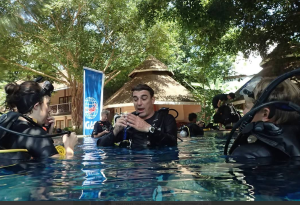
Open water diving refers to recreational scuba diving in natural water bodies, as opposed to confined water dives, which are typically done in swimming pools. As an open-water diver, the vast expanses of the seas and oceans become your playground, with depths up to 18 meters (60 feet) accessible.
Why Koh Tao is a Top Destination for Diving Certification
Koh Tao, a picturesque island in Thailand, has earned its reputation as the ‘Mecca’ for diving enthusiasts. With its crystal-clear waters, abundant marine life, and world-class dive schools, Koh Tao offers an optimal environment for those seeking their diving certification. The island’s calm waters make it especially beginner-friendly, ensuring a smooth introduction to the vibrant diving world.
Prerequisites and Eligibility
Before you can jump into the deep blue, there are particular prerequisites you need to meet to ensure safety and a positive learning experience.
Age Requirements
The PADI Open Water Diver course is accessible to those aged ten and above. However, it’s important to note that divers between the ages of 10 and 14 receive a Junior Open Water Diver certification, which comes with certain depth and supervision restrictions.
Basic Health and Fitness Considerations
Diving is a physical activity, and like all physical activities, it requires a basic level of health and fitness. Most dive schools will require you to complete a medical questionnaire. If potential health risks are flagged, you might need a physician’s clearance before starting the course.
Understanding the PADI Open Water Course Structure
Earning your Open Water certification is a systematic process, blending theoretical knowledge with practical skills.
Theoretical Learning: eLearning and Classroom Sessions
The theoretical part of the course provides you with the foundational knowledge required for safe diving. Topics covered include dive safety, understanding pressure, dive planning, and more. Many dive centers in Koh Tao offer eLearning modules, allowing you to complete this segment at your own pace.
Confined Water Dives: Skills and Techniques
Before you head out to the open sea, you’ll practice basic dive skills in a controlled environment, often a swimming pool. It includes mastering skills such as clearing your mask, regulator recovery, and buoyancy control.
Open Water Dives: Exploring the Deep
The real thrill begins with the open water dives. Over a series of dives, usually four, you’ll apply what you’ve learned, exploring Koh Tao’s magnificent dive sites under the watchful eye of your instructor.
Embarking on the journey to become a certified open water diver in Koh Tao is an experience that blends learning with pure, unadulterated adventure. As you progress through the course, the underwater world unveils its secrets, beckoning you to explore further and dive deeper.
Equipment Essentials for Beginners
The world of diving comes with its set of essential gear, which not only ensures safety but also enhances the overall diving experience.
Understanding Basic Dive Gear
For a beginner, diving equipment might seem overwhelming at first, but each piece has its function:
- Mask: This is not just about seeing underwater. A good-fitting mask can make or break your dive. It must form a tight seal on your face to prevent water from seeping in.
- Snorkel: Useful for surface swimming without using up your tank air.
- Fins: They provide mobility underwater, allowing you to glide effortlessly among the corals and fishes.
- Buoyancy Control Device (BCD): This vest-like equipment helps you maintain neutral buoyancy underwater, allowing you to ascend or descend quickly.
- Regulator: This is your underwater breathing apparatus, providing air from your tank.
- Dive Computer: A digital device that keeps track of your depth, dive time, and no-decompression limit.
Renting vs. Buying Equipment
As a beginner, it’s not necessary to invest in your gear right away. Most dive centers in Koh Tao provide rental equipment that’s well-maintained and of high quality. However, if you plan on diving frequently or are particular about the fit and comfort of certain items, like masks and fins, consider buying your own.
Marine Life You Might Encounter
Koh Tao’s waters teem with marine life, making every dive a new adventure.
Common Species around Koh Tao
From the small and elusive to the grand and majestic, the waters around Koh Tao are a biodiverse haven:
- Butterflyfish and Bannerfish: Often seen hovering around corals, these colorful fish are a delight to observe.
- Barracudas: These sleek predators can often be spotted in schools, especially around Chumphon Pinnacle.
- Whale Sharks: Though rare, these gentle giants grace Koh Tao’s waters occasionally, offering divers a once-in-a-lifetime experience.
- Turtles: The waters around the island are home to both Hawksbill and Green turtles.
Respecting Marine Life and the Coral Environment
While the underwater world is mesmerizing, we must remember that we are visitors in their domain. Avoid touching or harassing marine life, and be cautious not to damage corals with your fins or other equipment. Remember, a responsible diver observes and leaves no trace.
With every descent into Koh Tao’s waters, there’s a promise of discovery. Whether mastering a new dive skill, spotting a species you’ve never seen before, or simply feeling the weightlessness of being underwater, the journey towards gaining an Open Water Certification in Koh Tao is as enriching as it is exhilarating.
Safety First: Important Precautions for New Divers
Diving offers an experience like no other, but safety should always be at the forefront of every diver’s mind.
Buddy System
Never dive alone. The buddy system is one of the foundational principles of safe diving. Your buddy is there to assist you in emergencies, and vice-versa. From checking each other’s gear pre-dive to monitoring the air supply underwater, your buddy plays a pivotal role in ensuring both of you surface safely.
Monitoring Air and No-Decompression Limits
Understanding and monitoring your dive computer is essential. Constantly monitor your air supply and ensure you never run low. Additionally, adhere to no-decompression limits to prevent decompression sickness, a potential hazard if divers ascend too quickly or stay deep for too long.
Safety Stops and Safe Ascent
Before concluding your dive, it’s recommended to make a safety stop at 5 meters (about 15 feet) for at least 3 minutes. It allows excess nitrogen, which builds up in your body during the dive, to be safely released. Always ascend slowly and never hold your breath; this prevents lung over-expansion injuries.
Environmental Considerations: Diving Responsibly
The underwater ecosystem is delicate, and as divers, we have the responsibility to protect it.
Coral Conservation Efforts
Corals are living organisms vital to the marine ecosystem. They’re also particularly vulnerable. Always maintain buoyancy to avoid accidentally touching or kicking the corals. Participate in local coral conservation programs or clean-up dives to give back to the underwater world that offers so much.
Minimizing Environmental Impact
Beyond corals, be conscious of your overall impact. Avoid using harmful sunscreens that can damage marine life. Do not feed or touch marine animals. Collect any trash or plastic you may encounter during your dive, ensuring it doesn’t harm the aquatic environment.
Post-Certification: Next Steps
Congratulations on your certification! You can start your diving journey.
Continuing Education: Advanced Open Water and Beyond
If the ocean’s call is irresistible, consider furthering your diving education. The Advanced Open Water course allows you to explore deeper depths night dives, and refine your buoyancy skills. Specialty courses like wreck or nitrox diving open up even more underwater avenues.
Joining Dive Clubs and Participating in Dive Trips
Being part of a dive community is not only about shared adventures but also about continuous learning. Dive clubs often organize trips, workshops, and conservation activities, offering a platform to dive, learn, and contribute.
Local Tips: Making the Most of Your Koh Tao Experience
Koh Tao is more than just its dive sites.
Best Time to Visit
While Koh Tao is a year-round destination, the best diving conditions prevail between July and September, with calm waters and excellent visibility.
Local Dive Shops and Recommendations
Each dive shop has its unique charm. While some cater to luxury diving experiences, others focus on conservation or technical diving. Do your research, read reviews, and pick one that aligns with your aspirations.
Combining Diving with Other Island Activities
When not diving, explore the island’s hiking trails, indulge in local Thai cuisine, or relax on its pristine beaches. Koh Tao’s allure extends beyond its waters.
With its vibrant marine life, clear waters, and welcoming community, Koh Tao is an emblem of what the diving world offers. Embarking on your Open Water Certification journey here isn’t just about gaining a new skill; it’s about becoming part of a global community that cherishes and respects the ocean’s wonders. Dive in and let Koh Tao’s waters tell their story.
Are you dreaming of exploring the mesmerizing underwater world? Dive in with the first step and embark on your diving journey with our Open Water Koh Tao course today!