





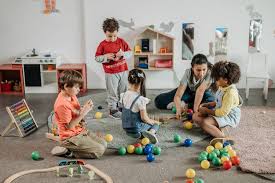


Parents have done a lot of growing over the years; and that is to be expected especially in an era where digital is rampant. Moreso that parents are always looking for programs that can help a child’s development even beyond daycare or preschool.
One name that pops up is the early childhood education mostly happening around the early learning centre. While some are traditional, this one is leaning towards one unique method. For those who are just hearing this, understanding how it works and why parents could see this type of learning as an advantage is important.
The Shichida method is now in the early learning centre and here, you’ll be able to learn how this program is structured in activities, exercises, and creative training for kids and of course, with parents’ participation. This guide will help explain Schichida’s approach to children. Read on.
Schichida: What Is it?
Shichida is a method by Professor Makoto Shichida around the 1950s in Japan. It focuses on the idea that young children quickly learn starting in their earliest years of development. Thus, early learning centre Burwood classes are designed in this method. It stimulates areas of learning while a child is still young.
Unlike regular classes, this method make use of parent-children lessons that combines:
- Memory and visual learning
- Music
- Language
- Logical exercises
- Creative training
How Does Schichida Method Work?
One of ideas from the Schichida Method is the “whole-brain learning” which means that the activities designed for this setting is to stimulate both the analytical thinking and creative thinking of children. This is to keep the kids engaged and yet exposing them to the types of learning experiences.
These activities include:
Flashcards which are shown to students and encourage them to recognize objects visually.
Memory exercises are simple games that help children remember images, words and even patterns.
Music and rhythm include songs to support their listening skills.
Fine motor activities are those that let children work using their hands through puzzles or small stacking activities.
Imagination or lessons that let children picture out objects or do stories for mental stimulation.
These activities are short but structured and involve parents to take part of each session which usually lasts about 50 minutes.
Parent Participation: It’s Important
One thing that stands out with Schichda learning is that it is different from traditional classes or childcare centres since it involves parents. This type of learning method encourages parents to play a role with their kids; where learning and relationship is bonded together. The learning process becomes an enjoyable moment with methods target:
- Parent-child bonding
- Communication
- Consistent practice at home
- Emotional support during learning
With parents participating and helping the young learner, both completely connects with each other in a constant and structured environment.
In early learning centre Burwood, the age brackets are:
| Program Stage | Typical Age Range |
| Infant Classes | Around 6 months to 1 year |
| Toddler Classes | 1 to 3 years |
| Preschool Classes | 3 to 5 years |
| Advanced Programs | Some centres offer primary-age learning |
Take note that the teaching style changes since it depends on the child’s development stage. However, activities are dependent on the development of the child and its age. For babies, these activities are focused on sensory and bonding while older ones work on memory, literacy and problem-solving.
Finally,
Families looking to explore programs with Schichida setting might come with different reasons but the method is there:
- Structured
- Enjoyable
- Creative
- Early exposure
- Strong parent involvement
Early learning centre Burwood introduces children to a type of learning that infuses creativity, memory and parent participation. It is a structured education that also creates a strong bond between parents and their children. It is an interactive environment that mixes playtime, learning, and connection.


